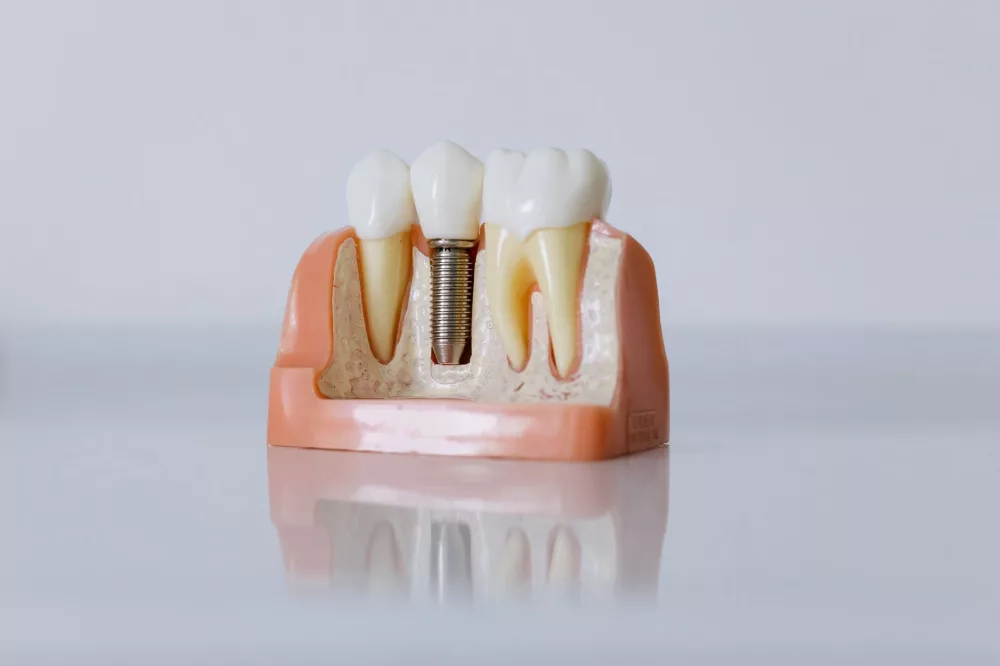
Cat Dental Cleaning: Unpacking the Essentials for a Healthy Feline Smile
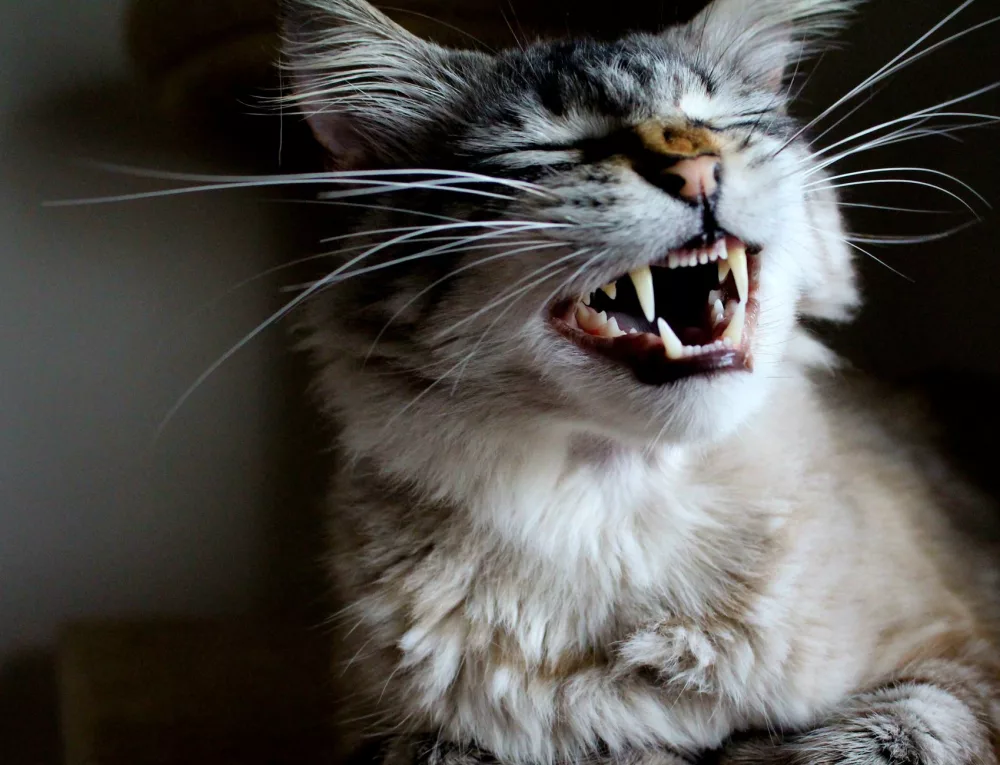
Understanding Your Cat's Dental Health: It's More Critical Than You Think
As a cat parent, I often hear people marvel at their feline companions' pristine coats or playful antics. But how many of us stop to really consider the health of their teeth? It's a question I pose frequently, because frankly, feline dental health is often overlooked, yet it’s absolutely foundational to their overall well-being. My experience tells me that dental disease is one of the most common health issues I see in cats, affecting a startling percentage of them by the time they reach just three years of age. That's a lot of furry friends living with discomfort they can't express.
You see, cats are masters at hiding pain. It's an evolutionary trait, I suppose, born from their wild ancestors needing to mask weakness to avoid becoming prey. This means that by the time you notice something is amiss with your cat's mouth, the problem could be quite advanced. That's why being proactive about cat dental cleaning isn't just a good idea; I'd argue it's an essential part of responsible pet ownership.
Why Good Oral Hygiene is a Game-Changer for Your Cat
So, what exactly happens when a cat's teeth aren't cared for? It usually starts subtly. Food particles, combined with bacteria, form plaque on the tooth surfaces. If that plaque isn't removed, it hardens into tartar, which is that brownish, crusty build-up you might see. This tartar then irritates the gums, leading to gingivitis – inflamed, red, and often painful gums. If still left unchecked, gingivitis progresses to periodontal disease, a more severe infection that attacks the supporting structures of the teeth, including the bone.
This isn't just about bad breath, though halitosis is certainly a strong indicator. Unmanaged dental disease can lead to:
- Severe Pain: Imagine living with a constant toothache or sensitive gums. It's no fun for our cats either.
- Tooth Loss: As periodontal disease progresses, teeth become loose and can fall out, making eating difficult and painful.
- Systemic Health Issues: The bacteria from an infected mouth don't just stay there. They can enter the bloodstream and travel to vital organs like the heart, kidneys, and liver, causing serious, even life-threatening, secondary infections. I've personally seen cases where seemingly unrelated health issues were traced back to a neglected mouth.
- Behavioral Changes: A cat in pain might become withdrawn, aggressive, or stop eating their regular food. You might notice they prefer softer foods or chew on one side of their mouth.
Spotting the Signs: Is Your Cat's Mouth Trying to Tell You Something?
Because our cats are so stoic, I can't stress enough how important it is for you to be observant. While only a vet can definitively diagnose dental problems, there are signs you can look out for at home:
- Bad Breath (Halitosis): This is probably the most common and noticeable sign. If your cat's breath could knock a buzzard off a garbage truck, it's definitely time for a check-up.
- Red, Swollen, or Bleeding Gums: Healthy gums should be a pale pink. Any redness or swelling indicates inflammation.
- Difficulty Eating or Dropping Food: If your cat seems hesitant to eat dry food, chews slowly, or drops food from their mouth, pain is a likely culprit.
- Pawing at the Mouth: This can be a sign of discomfort.
- Excessive Drooling: While some cats drool when happy, persistent drooling can indicate pain or an issue in the mouth.
- Weight Loss: If eating is painful, your cat might consume less, leading to weight loss.
- Changes in Behavior: Hiding, decreased grooming, or irritability can all stem from chronic pain.
- Visible Tartar Build-up: Brown or yellow deposits on the teeth, especially along the gum line.
The Professional Cat Dental Cleaning Procedure: What to Expect
If you or your vet suspects dental issues, a professional dental cleaning under anesthesia is usually the recommended course of action. I know the idea of anesthesia can be daunting for pet owners, and I completely understand that concern. However, I want to reassure you that modern veterinary anesthesia protocols are incredibly safe, and the benefits of a thorough cleaning far outweigh the minimal risks.
The Process: From Pre-Anesthetic to Post-Procedure
- Pre-Anesthetic Blood Work: Before any anesthetic procedure, we always recommend comprehensive blood tests. This allows us to ensure your cat's internal organs (like kidneys and liver) are functioning properly, minimizing anesthetic risks. It helps us tailor the anesthetic protocol specifically for your cat.
- Anesthesia is Non-Negotiable: This is a point I emphasize strongly. Unlike humans, you can't ask a cat to sit still with their mouth wide open while sharp instruments clean their teeth! Anesthesia ensures their safety, reduces stress, and allows for a thorough examination and cleaning. Your vet will monitor your cat's heart rate, breathing, oxygen levels, and body temperature throughout the procedure.
- Oral Examination and Dental X-rays: Once under anesthesia, a complete oral exam is performed. This includes checking every tooth, the gums, and the overall health of the mouth. Just like in humans, dental X-rays are crucial. They allow us to see below the gum line, identifying hidden problems like bone loss, abscesses, or unerupted teeth that wouldn't be visible otherwise. I've found X-rays reveal surprising issues in a vast majority of cases.
- Scaling and Polishing: Specialized ultrasonic and hand instruments are used to meticulously remove plaque and tartar from above and below the gum line. This subgingival cleaning is absolutely essential, as that's where much of the damage occurs. After scaling, the teeth are polished to smooth out any microscopic etches left by the instruments. This helps deter future plaque accumulation.
- Extractions (If Necessary): If a tooth is severely diseased, fractured, or causing pain, extraction may be necessary. This is always a last resort, but removing a painful tooth is far better for your cat's long-term comfort and health than leaving it in place. We'll always discuss these findings with you before proceeding with extractions, if possible, or immediately afterwards if unexpected issues arise.
- Post-Procedure Care: Your cat will be monitored closely as they recover from anesthesia. We'll provide pain medication and possibly antibiotics, depending on the severity of their dental disease. You'll receive detailed instructions for home care, which might include temporary dietary changes.
Maintaining That Bright Smile: Your Role in Home Dental Care
A professional cleaning is a fantastic fresh start, but it's just that – a start. The real work of maintaining good oral hygiene falls to you, the dedicated pet parent. I know, I know, brushing a cat's teeth sounds like a recipe for scratched hands and a stressed cat, but it's more achievable than you might think!
- Brushing is Best: This is the gold standard. Start slow, introduce a finger brush or a soft child's toothbrush with veterinary-approved toothpaste (never human toothpaste!) gradually. Aim for daily brushing, even if it's just for a few seconds. My advice? Make it a positive experience with praise and treats.
- Dental Diets and Treats: Look for products specifically designed to help reduce plaque and tartar, often indicated by a VOHC (Veterinary Oral Health Council) seal. These foods and treats have a texture or chemical composition that helps scrub teeth or reduce bacterial growth.
- Water Additives: Some additives can be put in your cat's drinking water to help reduce oral bacteria. While not as effective as brushing, they can be a helpful supplement.
Ultimately, regular veterinary check-ups, even if your cat doesn't seem to have obvious dental problems, are incredibly important. Your vet can spot subtle signs you might miss and help you formulate the best dental care plan for your individual cat. It's a journey, not a destination, to keep those pearly whites sparkling and your feline companion healthy and happy for years to come.
About Editorial Team
Senior columnist and culture critic specializing in architectural designs, emerging high-growth systems, and contemporary philosophies.
Contact Desk
Have an editorial inquiry or custom partnership idea? Reach our team directly.