Uncovering the Truth About Eyelid Skin Tags: A Comprehensive Guide
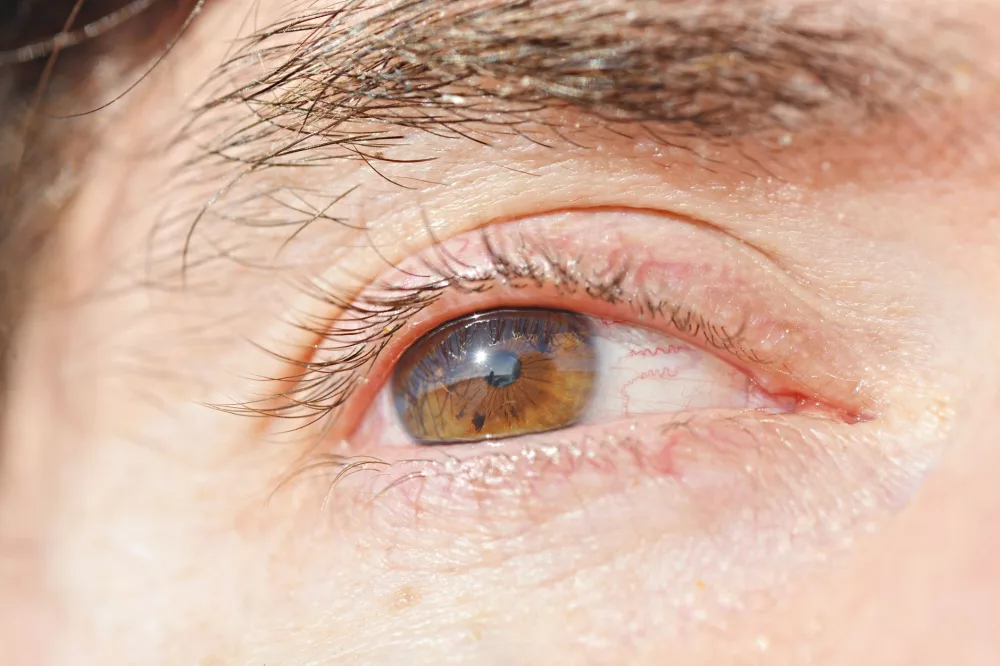
So, You've Noticed a Skin Tag on Your Eyelid? Let's Talk About It.
Ever caught a glimpse of yourself in the mirror and thought, "What is that tiny little bump on my eyelid?" If you've found a small, soft flap of skin in this delicate area, you're certainly not alone. It's probably a skin tag, or what we medical folks call an acrochordon. Now, before you start to panic or fret, let me assure you: these little growths are almost always harmless. But, I get it, when something pops up on your face, especially near your eye, it can be a bit disconcerting. My goal here is to walk you through everything you need to know about eyelid skin tags, from what they are to how they're dealt with, so you feel fully informed and confident.
What Exactly Are These Little Guys?
Let's break it down a bit. A skin tag is basically a small, benign (meaning non-cancerous) growth that hangs off your skin. They're typically flesh-colored or slightly darker, and they're connected to the skin by a tiny stalk, which is why they often look like a little balloon tied by a string. They're made up of collagen fibers and blood vessels that are loosely encased within a layer of skin. While they can pop up anywhere on your body – think neck, armpits, groin, or under the breasts – the eyelids are also a surprisingly common spot. And honestly, it's not hard to see why they can be more of a nuisance there, given how sensitive and frequently we touch or rub our eyes.
Why Do They Decide to Set Up Shop on Your Eyelids?
That's the million-dollar question, isn't it? While we don't always know the exact reason why a skin tag forms, especially on the eyelid, there are some pretty strong theories and common risk factors I've seen over the years. One of the big ones is friction. Think about it: your eyelids are constantly moving, blinking, and rubbing against each other or your glasses. This constant rubbing can contribute to the formation of these growths. Here are a few other reasons why you might find one on your eyelid:
- Friction: As I just mentioned, the constant rubbing of skin against skin or against clothing (like a scarf) or glasses can be a major trigger.
- Genetics: If your parents or other close family members get skin tags, there's a higher chance you might too. It seems to run in families for many people.
- Aging: They tend to become more common as we get older. The older you get, the more likely you are to develop them.
- Obesity: Individuals who are overweight or obese often have more skin folds, which increases skin-on-skin friction, making them more prone to skin tags.
- Hormonal Changes: Pregnancy is a big one here! The fluctuating hormone levels during pregnancy can often lead to the development of new skin tags.
- Insulin Resistance/Diabetes: There's a known association between skin tags and conditions like insulin resistance, type 2 diabetes, and metabolic syndrome.
- Human Papillomavirus (HPV): Some research suggests a possible link between certain types of HPV and skin tags, but this isn't as clear-cut as the other factors.
It's important to remember that having one or more of these risk factors doesn't guarantee you'll get a skin tag, nor does not having them guarantee you won't. Our bodies are wonderfully complex!
What Do They Look Like, and How Do I Know It's a Skin Tag?
Generally, an eyelid skin tag will be:
- Small: Often just 1mm to 5mm, though they can sometimes grow larger.
- Soft: They feel soft and pliable to the touch.
- Flesh-colored or darker: They usually match your skin tone or are slightly hyperpigmented.
- Pedunculated: This means they have a stalk or stem that connects them to the main skin surface.
- Painless: Usually, they don't cause any discomfort unless they're irritated.
The key here is that they're usually harmless. They don't typically itch, hurt, or bleed unless they're constantly being rubbed or caught on something. If you have a growth on your eyelid that's changing rapidly in size or color, bleeding without trauma, or causing pain, that's definitely a sign to get it checked out by a doctor immediately. We want to rule out anything more serious, like a mole (nevus), a wart, or even, in very rare cases, skin cancer. It's always better to be safe than sorry, especially when it's so close to your eye.
Should You Try to Remove It Yourself? (Spoiler: Please Don't!)
Okay, let me be super clear about this. I know the temptation might be strong, especially with all the DIY removal tips floating around the internet. But when it comes to an eyelid skin tag, self-removal is a big NO. Seriously, it's not worth the risk. The skin around your eye is incredibly thin and delicate. Trying to cut, snip, or tie off a skin tag yourself can lead to:
- Infection: Your hands and tools aren't sterile, and introducing bacteria to an open wound near your eye is a recipe for trouble.
- Bleeding: Skin tags have blood vessels; you could cause significant bleeding.
- Scarring: Improper removal can leave a permanent, noticeable scar.
- Eye Injury: This is the scariest one. A slip of the hand with a sharp object could cause irreversible damage to your eye itself.
My advice? Leave it to the professionals. Your eyes are far too precious to take such risks.
Professional Removal Options: What to Expect
If your eyelid skin tag is bothering you – maybe it's irritating your eye, interfering with your vision, or you simply don't like how it looks – then professional removal is a safe and straightforward process. Typically, your doctor, dermatologist, or ophthalmologist will assess the skin tag and determine the best course of action. Here are the most common methods:
- Excision (Surgical Removal): This is probably the most common method. The doctor will numb the area with a local anesthetic, and then simply snip off the skin tag with a sterile scalpel or surgical scissors. It's quick, usually takes just a few minutes, and often requires no stitches, though sometimes a tiny dissolvable stitch might be used.
- Cryotherapy: This involves freezing the skin tag off with liquid nitrogen. The cold temperature destroys the tissue, and the tag will typically fall off on its own within a week or two. It might feel a bit like a cold sting, but it's generally well-tolerated.
- Electrocautery (Burning): Using a heated needle or probe, the doctor will burn off the skin tag. This method seals blood vessels, reducing bleeding. It's also done under local anesthesia.
- Ligation: For skin tags with a thin stalk, the doctor might tie a surgical thread around the base. This cuts off the blood supply to the tag, causing it to wither and fall off within a few days.
After removal, you might have a small scab, redness, or minor swelling for a few days. Your doctor will give you specific aftercare instructions, which usually involve keeping the area clean and perhaps applying an antibiotic ointment. The good news is that these procedures are generally very successful, and complications are rare when performed by a skilled professional.
Can You Prevent Them?
Unfortunately, there's no surefire way to prevent skin tags from forming entirely, especially if genetics play a role for you. However, you can certainly minimize your risk. Maintaining a healthy weight, managing conditions like diabetes, and reducing friction in areas prone to skin tags might help. For eyelid skin tags, trying to avoid excessive rubbing of your eyes could make a difference. But honestly, if you're predisposed to them, they might just pop up anyway, and that's okay!
My Final Thoughts
Ultimately, while an eyelid skin tag might be a cosmetic concern or a minor annoyance, it's rarely a health threat. If you've found one and it's bothering you, or if you're just unsure about what it is, please don't hesitate to consult with a healthcare professional. They can provide an accurate diagnosis, put your mind at ease, and discuss safe and effective removal options if that's what you decide you want to do. Remember, your health and peace of mind are what's most important, and seeking professional advice is always the smartest move.
About Editorial Team
Senior columnist and culture critic specializing in architectural designs, emerging high-growth systems, and contemporary philosophies.
Contact Desk
Have an editorial inquiry or custom partnership idea? Reach our team directly.