The Enduring Appeal of Hot Pot: A Culinary Journey into Communal Dining
An Introduction to the Art of Hot Pot
When I think about communal dining experiences that truly bring people together, hot pot invariably comes to mind. It's more than just a meal; it's an event, an interactive culinary adventure that encourages conversation, shared laughter, and a delightful exploration of flavors. For those unfamiliar, hot pot, or 'huǒguō' (火锅) in Mandarin, is a cooking method originating in China, prepared with a simmering pot of soup stock at the dining table. My first encounter with hot pot was a revelation; I quickly realized it wasn't just about the food, but about the ritual, the shared experience, and the incredible versatility it offers.
We've seen its popularity skyrocket globally over the past few decades, evolving from a traditional Asian comfort food into an international phenomenon. It isn't just about dipping thinly sliced meats and fresh vegetables into a bubbling broth. Oh no, it's about crafting your own unique bite, experimenting with an array of sauces, and truly savoring each moment. I find it fascinating how such a simple concept—boiling food in broth—can create such a rich and varied gastronomic landscape. Let's explore what makes this communal feast so incredibly captivating.
The Rich History Behind the Simmering Pot
Tracing the origins of hot pot takes us back centuries, long before modern kitchens and instant gratification. While its exact genesis remains a subject of historical debate, many food historians believe its roots can be found in Mongolia, dating back to the Yuan Dynasty (13th-14th centuries). Nomadic Mongolian horsemen, I've read, would cook their meat in their helmets over a fire, a rudimentary but effective way to prepare food on the go. This practical cooking method eventually spread throughout China and beyond, adapting to local ingredients and culinary preferences.
Over time, different regions developed their distinct styles. Sichuan hot pot, for example, became famous for its intensely spicy and numbing broth, a direct reflection of the region's climate and palate. Cantonese hot pot, on the other hand, often favors lighter, more aromatic broths that highlight the freshness of the ingredients. Each variation, I think, tells a story about the culture it sprang from, showcasing the ingenuity and adaptability of local cuisines. It’s truly a delicious historical journey we embark on every time we sit down to enjoy it.
The Anatomy of a Perfect Hot Pot Experience
Preparing hot pot at home or visiting a dedicated restaurant involves several key components, each playing a crucial role in the overall enjoyment. Let's break them down:
The Broth: The Soul of the Hot Pot
I can't stress enough how important the broth is. It's the foundation, the very essence of your hot pot. The options are practically endless, catering to every taste preference:
- Spicy (Mala): This is arguably the most famous, particularly from Sichuan. It's characterized by chili oil, Sichuan peppercorns (which provide that unique 'ma la' numbing sensation), and a rich blend of spices. For me, it's an exhilarating experience!
- Herbal/Nourishing: Often made with goji berries, red dates, ginseng, and various other beneficial herbs. It's comforting and believed to have health-giving properties.
- Tomato: A slightly sweet and tangy broth, perfect for those who prefer a milder, refreshing flavor. It's quite popular and one I often recommend to newcomers.
- Mushroom: Earthy and savory, usually featuring a medley of dried and fresh mushrooms. Vegetarians and mushroom lovers, this one's for you!
- Satay: A rich, peanut-based broth with a distinct Southeast Asian influence. It's creamy and incredibly flavorful.
Many hot pot establishments, and indeed my own setup at home, offer a 'split pot' or 'yuan yang guo' (鸳鸯锅), allowing you to enjoy two different broths simultaneously. It’s a brilliant way to cater to diverse palates at one table.
The Ingredients: Dipping Delights
This is where the hot pot truly becomes a customizable feast. The variety of ingredients available is astounding, ensuring everyone finds something they love. When I prepare hot pot, I always make sure to have a good mix:
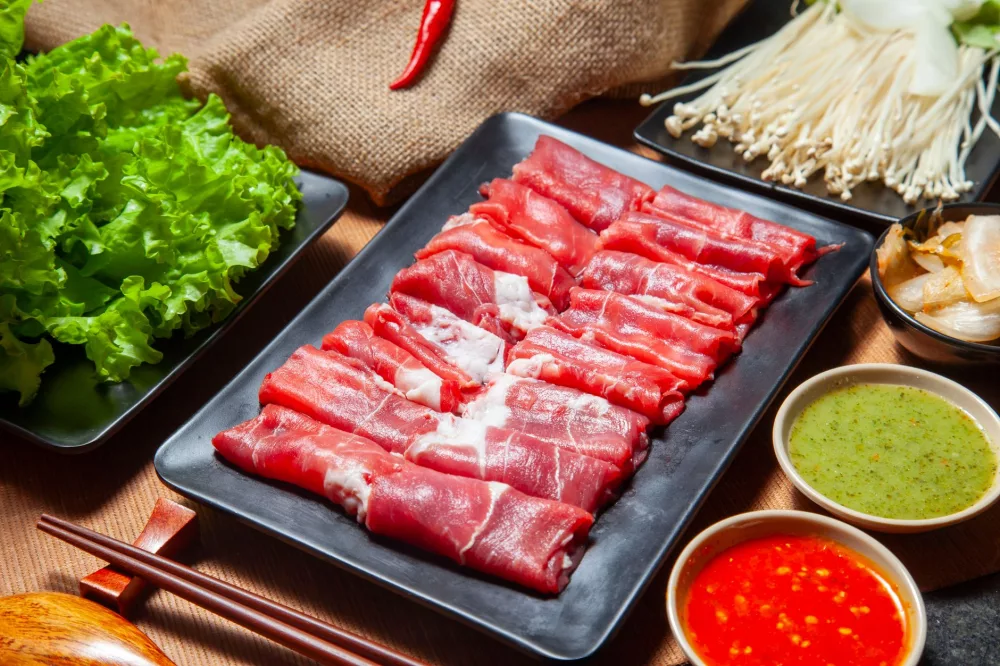
- Thinly Sliced Meats: Beef (rib-eye, short rib), lamb, pork belly, chicken. The thinness ensures quick cooking.
- Seafood: Shrimp, fish fillets, scallops, mussels, crab sticks. Freshness is key here.
- Vegetables: Napa cabbage, bok choy, spinach, mushrooms (enoki, shiitake, oyster), corn on the cob, root vegetables like daikon radish and potatoes.
- Tofu Products: Firm tofu, fried tofu puffs, frozen tofu (which absorbs broth beautifully), tofu skin.
- Noodles: Glass noodles, udon, ramen, fresh egg noodles. They soak up all that delicious broth at the end.
- Meatballs/Fish Balls: These often come in various flavors and textures, adding another layer of interest.
The beauty of it all, I feel, is the ability to pick and choose exactly what you want, cooking each item to your preferred doneness right at the table.
The Sauces: Your Personal Culinary Signature
Ah, the sauce bar! This is, for me, the most exciting part. It's where you craft your personal dipping sauce, a reflection of your individual taste. Common components include:
- Sesame Paste (Sha Cha Sauce): Rich, savory, often a foundational element.
- Soy Sauce: A staple, light or dark.
- Chili Oil/Fresh Chilies: For that extra kick.
- Garlic: Minced fresh garlic is a must for many.
- Cilantro/Scallions: Fresh herbs for brightness.
- Vinegar: Black vinegar, rice vinegar for a tangy note.
- Oyster Sauce/Hoisin Sauce: For sweetness and umami.
I always encourage newcomers to experiment. My personal go-to often involves sesame paste, a dash of soy sauce, plenty of minced garlic, a generous spoonful of chili oil, and fresh cilantro. But truly, there are no rules; it's all about what tastes good to you.
The Hot Pot Ritual: More Than Just Eating
The hot pot experience is inherently social. It’s a wonderful way to connect with family and friends. We gather around the bubbling pot, everyone engaged in the cooking process, sharing stories and laughter. It's not a meal to rush; it's meant to be savored. Conversations flow as easily as the broth simmers.
There's a gentle rhythm to it: pick your ingredient, dip it into the broth, wait a moment, retrieve it, dip it in your custom sauce, and enjoy. Then, repeat. It’s meditative in a way. I find that when we're all actively participating, it breaks down barriers and makes for a truly memorable time. It’s also incredibly flexible; you can host a casual weeknight dinner or an elaborate celebratory feast with the same basic setup.
Global Cousins: Exploring Variations
While the Chinese hot pot is what most people picture, similar communal cooking traditions exist across Asia, each with its own distinct charm. I've had the pleasure of trying a few, and they're all fantastic in their own right:
- Japanese Shabu-Shabu and Sukiyaki: Shabu-shabu features a lighter, dashi-based broth and very thinly sliced meats, often served with ponzu or sesame sauce. Sukiyaki is sweeter, cooked in a shallower pot with soy sauce, sugar, and mirin, and often eaten with a raw egg dip. Both are exquisitely delicate.
- Korean Budae Jjigae (Army Stew): A more modern take, originating after the Korean War. It's a hearty, spicy stew brimming with ingredients like spam, sausages, ramen noodles, tofu, and kimchi. It's comforting and flavorful, a true fusion dish.
- Vietnamese Lẩu: Often lighter and more herbaceous, frequently incorporating seafood or sour elements from tamarind or pineapple.
These variations show just how adaptable and beloved the concept of cooking together in a shared pot is across diverse cultures.
Preparing Your Own Hot Pot at Home
Setting up your own hot pot experience at home is surprisingly straightforward, and it's something I absolutely love doing for friends. You'll need a portable induction cooker or electric burner, and a suitable pot. Beyond that, it's all about ingredient prep.
- Choose your broth: You can buy pre-made bases or make your own from scratch.
- Slice meats thinly: This is crucial for quick cooking. Many Asian markets sell pre-sliced hot pot meats.
- Wash and chop vegetables: Arrange everything neatly on platters.
- Prepare a sauce bar: Lay out all the components so everyone can customize their dips.
- Set the table: Provide plenty of chopsticks, strainers, and small bowls.
It's an incredibly rewarding way to entertain, and I find that my guests always appreciate the interactive nature of the meal. There's a real sense of accomplishment in creating your perfect bite, and the shared experience fosters such wonderful connections.
In closing, hot pot is so much more than just a meal; it's an experience that transcends culinary boundaries, inviting us to gather, share, and create lasting memories around a simmering pot of deliciousness. Its blend of tradition, customization, and convivial atmosphere truly makes it one of my favorite ways to dine. I genuinely believe everyone should try it at least once. You won't regret it.
About Editorial Team
Senior columnist and culture critic specializing in architectural designs, emerging high-growth systems, and contemporary philosophies.
Contact Desk
Have an editorial inquiry or custom partnership idea? Reach our team directly.