Iconic Echoes: A Journey Through the World's Most Famous Landmarks
What Makes a Landmark Truly Iconic?
When we talk about famous landmarks, what comes to mind? Is it towering structures that pierce the sky, ancient ruins whispering tales of forgotten empires, or perhaps natural formations that leave us utterly breathless? For me, it's a bit of all of those. I believe these places aren't just points on a map; they're emotional anchors, tangible connections to human history, ingenuity, and the sheer power of nature. They draw millions of visitors each year, not just for a photo opportunity, but for an experience, a moment of connection with something bigger than ourselves. You know, I often think about what makes a structure or a natural wonder transcend mere existence to become truly iconic. It isn't just size or age; it's the stories they hold, the struggles they represent, and the dreams they embody.
I've always been fascinated by how these sites manage to capture our collective imagination. They often represent significant cultural achievements, political statements, or deeply held beliefs. Some stand as reminders of incredible human engineering, like the intricate designs of ancient civilizations, while others celebrate breakthroughs in modern architecture. It's incredible to see how a single structure can define an entire city or even a nation's identity, isn't it?
The Enduring Majesty of Ancient Wonders
Let's kick things off by looking at some of the older, truly remarkable sites. These places have stood the test of time, often defying logic in their construction and enduring through millennia. We're talking about things that make you wonder, 'How on Earth did they build that?'
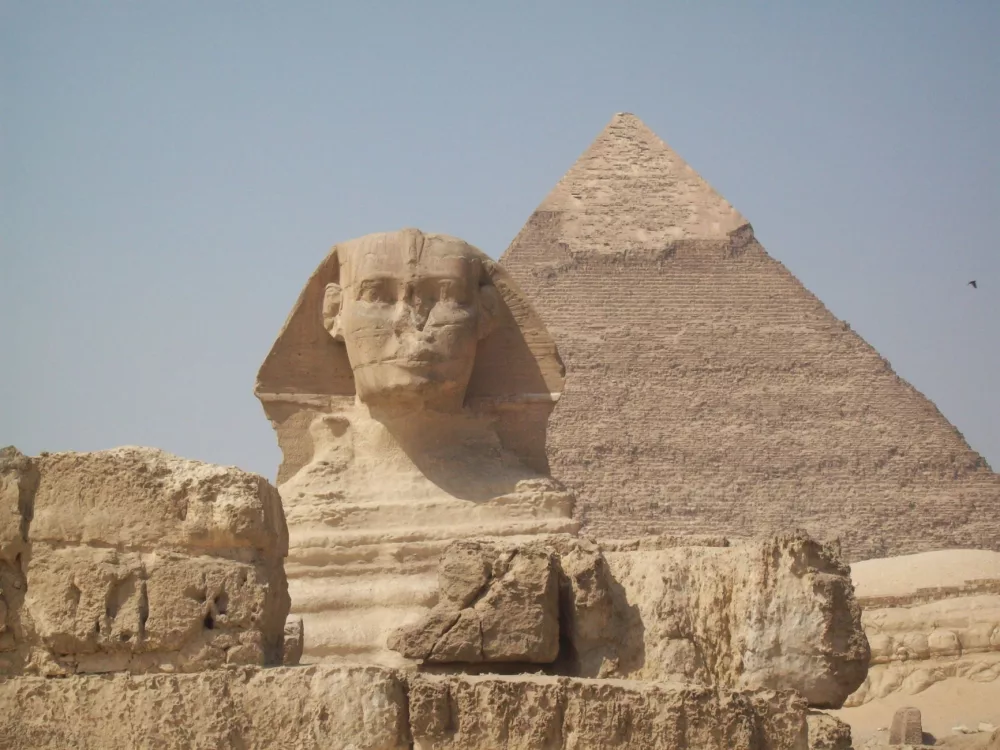
- The Great Pyramid of Giza, Egypt: When I think of ancient marvels, this one is always right at the top. Imagine, for almost 4,000 years, it was the tallest man-made structure in the world. It's a staggering feat of engineering, built as a tomb for Pharaoh Khufu. What I find incredibly impressive is the precision of its construction, using millions of massive stone blocks, all without modern tools. Standing before it, you can't help but feel a profound sense of awe and connection to a civilization long past. It's just immense.
- The Colosseum, Italy: Ah, Rome! And specifically, the Colosseum. This massive amphitheater, built by the Roman Empire, is a stark reminder of both the glory and brutality of ancient times. It could hold over 50,000 spectators for gladiatorial contests and public spectacles. Even today, its ruined arches evoke powerful images of its past, telling tales of emperors, gladiators, and roaring crowds. Walking through it, I can almost hear the echoes of history.
- Machu Picchu, Peru: High in the Andes Mountains, this lost city of the Incas is truly breathtaking. Built in the 15th century and later abandoned, it remained hidden from the world until 1911. Its sophisticated dry-stone construction, blending seamlessly with the natural landscape, is an engineering marvel. The terraces, temples, and homes are all oriented with astronomical precision. For me, the journey there and the views once you arrive are an unforgettable experience, making you appreciate the ingenuity of the Inca people.
Modern Marvels and Cultural Icons
Not all famous landmarks are thousands of years old, though. We've got plenty of more recent creations that have also become instantly recognizable symbols across the globe.
- The Eiffel Tower, France: Is there any structure more synonymous with Paris than the Eiffel Tower? Built for the 1889 World's Fair, it was initially met with some skepticism, but it's become an undeniable symbol of love, romance, and French engineering. Its intricate lattice work is just beautiful, and the views from the top are spectacular, especially at night when it sparkles. It's one of those places that truly lives up to the hype, I think.
- The Statue of Liberty, USA: Standing proudly in New York Harbor, 'Lady Liberty' is a powerful symbol of freedom and democracy, gifted to the United States by France. I mean, think about it: for millions of immigrants arriving in America, she was the first sight they saw, representing hope and a new beginning. Her presence is just incredibly strong, and she continues to inspire people worldwide.
- Sydney Opera House, Australia: This architectural masterpiece, with its distinctive shell-like sails, is an instantly recognizable icon of Australia. It's a relatively modern building, completed in 1973, but it quickly became one of the 20th century's most famous and distinctive structures. I love how it sits right on the harbor, reflecting the water and the sky; it's like a piece of art itself. The design is just so bold and innovative, don't you agree?
- Taj Mahal, India: While not ancient in the same way as the pyramids, the Taj Mahal is a timeless monument to love. Built by Emperor Shah Jahan for his beloved wife Mumtaz Mahal, it's considered one of the most beautiful buildings in the world. The white marble, intricate carvings, and reflective pools create an absolutely stunning visual. I've always been moved by the story behind its construction, a testament to profound devotion.
The Power of Place and Collective Memory
What I find really interesting is how these places become more than just their physical form. They become embedded in our collective memory, acting as cultural touchstones. We use them in films, books, and advertisements; they become shorthand for entire countries or historical periods. They don't just stand there; they communicate. They tell us about human ambition, our capacity for beauty, and sometimes, our potential for conflict.
Visiting these landmarks, I often feel a connection to all the people who have stood in that exact spot before me, stretching back centuries or even millennia. It's a humbling experience. Whether it's the sheer scale of the Great Wall of China snaking across mountains or the spiritual serenity found at sites like Borobudur in Indonesia, each place offers a unique window into humanity's incredible journey. These aren't just tourist attractions; they're vital parts of our global heritage, reminding us of where we've been and perhaps, where we're going. We really ought to cherish and protect them, because they're simply irreplaceable.
About Editorial Team
Senior columnist and culture critic specializing in architectural designs, emerging high-growth systems, and contemporary philosophies.
Contact Desk
Have an editorial inquiry or custom partnership idea? Reach our team directly.